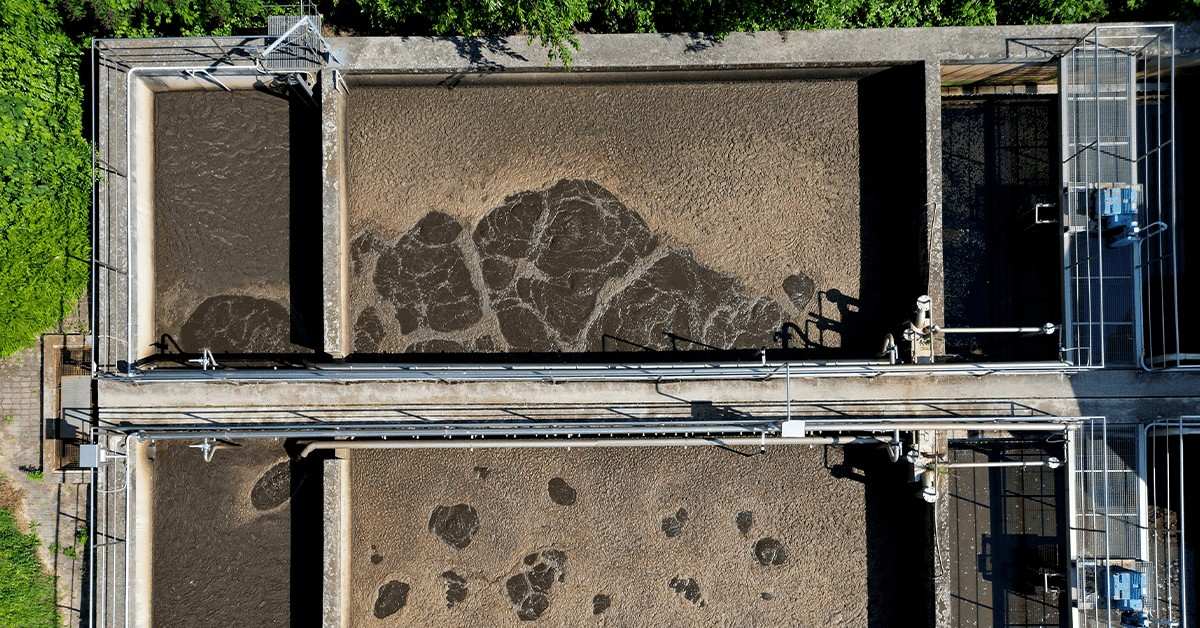
The Ammonical Nitrogen Challenge in Wastewater Treatment and How Biology Can Solve It

Wastewater treatment goes beyond reducing BOD and COD. Today, it’s also about tackling hidden contaminants like ammoniacal nitrogen, one of the most persistent and overlooked challenges in treatment systems.

When left untreated or poorly managed, ammoniacal nitrogen in wastewater can cause serious environmental harm, increase treatment costs, and lead to regulatory penalties. It depletes oxygen in water bodies, damages aquatic ecosystems, and signals poor effluent quality.

Traditional treatment methods often struggle to manage it effectively. What’s needed is not just more intensive treatment, but smarter, biology-based solutions that are sustainable, efficient, and adaptable.

In this article, we break down what ammoniacal nitrogen is, why it matters, and how biological treatment offers a powerful and scalable solution, especially for industries aiming for long-term compliance and environmental responsibility.

Understanding Ammonical Nitrogen in Wastewater

Ammonical nitrogen refers to the ammonium ion form of nitrogen, which results from the breakdown of organic matter containing nitrogen, such as urea, proteins, and amino acids, in wastewater. It is highly soluble in water and exists in equilibrium with ammonia gas (NH₃), with the ratio between the two depending on pH and temperature.

In wastewater systems, high concentrations of ammoniacal nitrogen typically originate from:

  • Domestic sewage (especially from human urine)
  • Food processing and dairy waste
  • Fertilizer runoff in agro-industrial wastewater
  • Slaughterhouse and meat processing effluents
  • Landfill leachate and chemical manufacturing
  • Textile and dye industries  (from use of nitrogen-based dyes and chemicals)
  • Pharmaceutical and bulk drug manufacturing

Why Ammonical Nitrogen Is a Growing Concern

The environmental and regulatory implications of ammoniacal nitrogen are far-reaching:

1. Toxicity to Aquatic Life

Ammonia (NH₃), the un-ionized form of ammonical nitrogen, is highly toxic to fish and aquatic organisms even at low concentrations. Its toxicity increases with pH and temperature, making it a critical concern in warm, alkaline receiving waters.

2. Oxygen Depletion

The biological oxidation of ammoniacal nitrogen (nitrification) consumes significant amounts of dissolved oxygen (DO), reducing the oxygen available for aquatic life. This can trigger hypoxic conditions in natural water bodies, disrupting entire ecosystems.

3. Algal Blooms and Eutrophication

Ammoniacal nitrogen serves as a nutrient that fuels excessive algal growth in receiving waters. This process accelerates eutrophication, resulting in dense algal blooms that deplete dissolved oxygen, trigger fish kills, and cause long-term ecological degradation.

4. Odour Issues

High concentrations of ammonia in wastewater often release pungent and unpleasant odours, especially under anaerobic or poorly aerated conditions. These odours not only affect worker safety and comfort at treatment plants but can also lead to complaints from surrounding communities, adding social and reputational challenges for operators.

5. Regulatory Pressure

Globally, discharge standards for total nitrogen, ammonia, and nitrate are becoming increasingly stringent. Non-compliance not only results in fines and permit violations but also reputational damage for industries and municipal corporations responsible for treating and discharging community wastewater.

The Challenge with Conventional Treatment

Standard wastewater treatment processes, especially conventional activated sludge systems, are not always optimized for complete ammoniacal nitrogen removal. These systems may suffer from:

  • Incomplete nitrification due to low microbial activity or poor oxygen transfer
  • Imbalanced C:N ratios, limiting the denitrification process
  • Temperature-sensitive performance, with microbial activity dropping in cold climates
  • Inadequate retention times, especially in high-load industrial systems

Chemical treatments, such as breakpoint chlorination or ion exchange, are expensive, energy-intensive, and often unsustainable for large-scale applications.

How Biological Treatment Solves the Ammonical Nitrogen Challenge

Biological nitrogen removal (BNR) harnesses the metabolic processes of specialized microorganisms to convert ammoniacal nitrogen into harmless nitrogen gas (N₂), which is safely released into the atmosphere. This occurs in two main steps:

1. Nitrification

This is a two-stage aerobic process where:

  • Ammonia-oxidizing bacteria (AOB) convert ammonium (NH₄⁺) into nitrite (NO₂⁻)
  • Nitrite-oxidizing bacteria (NOB) further convert nitrite into nitrate (NO₃⁻)

This step is oxygen-intensive and sensitive to pH and temperature.

2. Denitrification

In anoxic conditions (absence of free oxygen), heterotrophic denitrifying bacteria use nitrate as an electron acceptor, reducing it to nitrogen gas (N₂). This requires a carbon source, either present in the wastewater or supplemented externally.

Key Factors for Effective Biological Ammonia Removal

For any BNR system to function optimally, the following parameters must be carefully monitored and maintained:

  • DO Levels: Nitrifiers need at least 2 mg/L DO to thrive, while denitrifiers operate best in anoxic conditions.
  • C:N Ratio: A balanced carbon-to-nitrogen ratio (ideally around 5:1) is essential for complete denitrification.
  • Temperature: Nitrification slows down below 15°C; specialized microbial strains can address this challenge.
  • pH: Ideal range is 7.0–8.0. Acidic or highly alkaline conditions inhibit microbial metabolism.
  • Retention Time: Sufficient contact time is necessary for microbial conversion at each stage.

Most importantly, microbial population health is the foundation. A robust, diverse, and well-acclimated microbial community is the cornerstone of effective BNR. Nitrifiers, denitrifiers, and supporting heterotrophs must coexist in balanced proportions. Fluctuating effluent characteristics, toxic shocks, or sudden load changes can disrupt microbial equilibrium, compromising system performance. Maintaining healthy populations improves oxygen transfer efficiency, reduces sludge bulking, and ensures process stability. Where needed, bioaugmentation with specialized bioformulation can restore microbial balance and enhance ammonia removal under challenging conditions.

Why Wastewater Facilities Are Turning to Advanced Microbial Formulations

Traditional wastewater treatment often relies on natural seeding and unpredictable microbial activity, which can result in inconsistent performance. To overcome these limitations, many modern facilities are adopting bioaugmentation — the strategic addition of carefully selected microbial consortia designed to meet specific treatment objectives.

Advanced microbial formulations offer several advantages:

  • Targeted efficiency with pre-selected nitrifying and denitrifying strains for faster and more reliable ammonia removal.
  • Temperature- and shock-load resistance, ensuring resilience under fluctuating conditions
  • Reduced sludge production and better sludge settleability
  • Improved system stability and faster recovery from upsets

Organica Biotech’s Contribution to Biological Nitrogen Management

At Organica Biotech, we recognize that biological complexity requires biological intelligence. Our wastewater treatment solutions are designed to address exactly these challenges.

These bioformulations contain carefully selected, naturally occurring microbial strains that accelerate nitrification and denitrification, even in high-strength industrial effluents and low-temperature conditions. By enhancing microbial resilience and performance, they help wastewater treatment facilities:

  • Lower ammonia and total nitrogen concentrations by up to 95%
  • Improve BOD and COD removal efficiency
  • Eliminate odor issues linked to incomplete nitrogen removal
  • Maintain compliance with evolving environmental regulations

Whether you operate a municipal STP, a fertilizer/Agrochemical/ Pharma plant, or a complex industrial ETP, our bio-based solutions offer a sustainable, scalable path to nitrogen removal without compromising on performance.

Conclusion

Ammoniacal nitrogen may not be visible, but its impact on wastewater treatment, the environment, and regulation is significant. As these challenges grow, our solutions need to evolve too. By using proven microbial solutions, biology offers a powerful and sustainable way to manage nitrogen pollution, delivering both effective results and long-term value.

At Organica Biotech, we go beyond offering products — we provide complete solutions built on 25 years of pioneering research in bioremediation. Our expertise lies in understanding the unique challenges of each wastewater treatment plant and tailoring our solutions to deliver maximum efficiency and compliance. Backed by advanced microbial technologies and a team of experienced technical experts, we ensure a seamless and hassle-free experience for operators and industries alike.

Over the years, we’ve partnered with thousands of industries worldwide, helping them achieve operational stability, meet stringent pollution control norms, and move closer to their sustainability goals. What sets us apart is not just our technology, but our commitment to understanding your needs and simplifying the complexities of wastewater management.

With Organica Biotech, you gain a trusted partner who combines scientific innovation with practical know-how, making wastewater treatment more reliable, eco-friendly, and future-ready.

Bringing Nature’s Magic To Help Plants Grow And Prosper

What goes up must inevitably come down. This is one rule that seems to work universally. Like most rules, this, too, has exceptions.

The stock price of Apple is rising without showing any signs of slowing down.

Temperatures around the world are going up irreversibly.

The world’s population is rising by the day and is projected to reach 10 billion by 2050.

The only way the global population will actually go down is if there were to be a cataclysmic upheaval.

And chances are the increasing population itself will bring about that upheaval.

We’re already dealing with shrinking natural resources – including food, water, clean air, and sanitation – and the increased strain placed by a growing population will only exacerbate this issue.

Especially when it comes to food, we need to drastically change how we produce food globally to make it equally accessible to everyone.

We also need alternative farming technologies.

This is where hydroponics, aeroponics, and aquaponics step in.

What is Hydroponics?

A large hydroponic greenhouse with rows of different green plants, including herbs and lettuce, growing in white horizontal pipes.

Hydroponics is a soilless method of growing plants where only the roots of plants are exposed to a liquid, mineral-rich, nutrient solution.

Hydroponics can be used to grow chemical-free plants, including tomatoes, peppers, cucumbers, and leafy greens.

The biggest advantage of hydroponics over conventional farming, apart from the reduced soil requirements and the absence of chemical fertilizers, is the huge water savings.

Growing one kilogram of tomatoes the traditional way requires 400 liters of water, but hydroponics reduces that to 70 liters.

With aeroponics, the water requirement drops even further to just 20 liters.

What is Aeroponics?

Rows of green lettuce plants growing in tall, vertical aeroponic towers inside a greenhouse.

Aeroponics is often regarded as a form of hydroponics.

In hydroponics, plants are supported by an inert medium (like gravel or coco peat), but aeroponics doesn’t need a medium.

In aeroponics, plants are suspended in a closed environment, and a nutrient-rich mist is applied to the roots and stems.

What is Aquaponics?

A small, self-contained aquaponics system sits on a windowsill. It consists of a glass fish tank with goldfish on the bottom and a wooden planter box with leafy green plants on top.

Aquaponics is a perfect symbiosis of aquaculture and hydroponics.

In an aquaponics system, aquatic animals and plants are grown together in a circular ecosystem.

Nutrient-rich water from the aquaculture system is supplied to the plants, and the water from the hydroponic system is recycled back to the fish and other animals, thereby reducing the need to refill those tanks with fresh water.

Forms of aquaponics-based cultivation have existed in human civilization across time and geography.

Ancient Aztec agricultural systems and ancient China have both recorded evidence of large-scale aquaponics cultivation.

In recent times, aquaponics has experienced a global surge, starting with small-scale and at-home initiatives and expanding to more widespread adoption on farms as well.

Common to all of these practices is the need to ensure that the nutrient mix is of high quality.

The availability of minerals in the nutrient solution determines plant growth, resilience, and plant quality.

In aquaponics systems, bacteria are also needed to convert ammonia from fish waste into nitrites and nitrates that plants can absorb.

Temperature fluctuations and pest infestations are additional factors that can impact plant life in these systems.

This is where an advanced microbiome solution can help.

MagicGro DripSol is our eco-friendly plant growth vitaliser.

Powered by microbiome replenishment technology, MagicGro DripSol has been specially formulated to provide plants with all the fortification they need to survive and thrive, regardless of environmental variables.

Adding MagicGro DripSol to the media ecosystem ensures that plants will always have a reliable source of nutrients that can support their growth.

MagicGro DripSol also ensures that leaf chlorophyll content is consistently optimized, resulting in greener, healthier plants.

MagicGro DripSol contains a consortium of beneficial plant growth-promoting bacteria that can withstand extreme weather conditions and climate change.

With enhanced plant-microbe interaction, MagicGro DripSol improves plant vitality and immunity against diseases.

MagicGro DripSol also ensures higher yield by enhancing seed germination, fruiting, and flowering rates.

Continued use of MagicGro DrioSol also enhances nutrient uptake and plant productivity, while improving immunity against pathogens, pests, and environmental stress.

MagicGro DripSol uses the principle of Biosensors and Bioactivators to ensure optimal nutrient uptake.

Biosensors in MagicGro DripSol sense micronutrient deficiencies in the plant system and activate the Bioactivators, which transport micronutrients from the local environment into the plant system.

MagicGro DripSol is completely natural and safe, and can completely reduce the dependence on chemical applications.

The bacteria in MagicGro DripSol can also convert insoluble organic matter to plant-soluble forms, thus enhancing their absorption into the plant system.

And it is loaded with microbes that produce compounds that can repel harmful bacteria from plants.

Suppose you have an aquaponics or hydroponics setup and are experiencing issues such as low productivity and yields, or insufficiently healthy plants.

In that case, MagicGro DripSol is the magical solution you need.

Also Read:

Hydroponics – Farming the Future

The world’s population, nearing 9 billion, coupled with relentless population growth, poses a significant challenge for humanity in providing sustainable living to current and future generations.

The primary concern is the ongoing land degradation caused by invasive human activities, leading to a decline in forest and agricultural land.

One way to maneuver the current progress toward the future is the use of ‘Hydroponics.’

Hydroponics is commonly known as a form of soilless farming.

It is the process of growing plants in sand, gravel, natural substrates, or liquid, with added nutrients, but without soil.

In conventional agriculture, soil supports a plant’s roots, helping it to remain upright and providing it with the nutrients it needs to grow.

In the case of hydroponics, plants are supported with inert materials, such as gravel, coco peat, and perlite.

Essential nutrients such as nitrogen, phosphorus, potassium, calcium, magnesium, etc., are provided to the roots in various ways using nutrient-rich solutions.

A considerable amount of research has been conducted to develop optimal methods for plant cultivation.

Every plant requires certain parameters for its growth.

Similarly, similar conditions are simulated to achieve optimal growth results in a hydroponic system.

Some of the common methods for the cultivation of plants in hydroponics are:

Young green plants growing in rectangular, green foam blocks within a hydroponic system.

  1. Drip system – In a drip system, the nutrient solution is dripped on the plant’s roots to keep them moist.
  2. Flood and Drain System – The flood and drain system operates by periodically flooding the plant’s root system with a nutrient-rich solution.
  3. Nutrient Film Technique (N.F.T) – In this system, a very shallow nutrient solution continuously flows downward through the tubing; the bare roots of the plants come in contact with the water and can absorb the nutrients from it.
  4. Water Culture – In this system, the roots of the plants, suspended in a basket, hang directly into the nutrient solution. The roots remain submerged at all times, 24/7. The necessary oxygen for plants is provided by air bubbles rising through the nutrient solution or from dissolved oxygen in the water.
  5. Aeroponics – As the name indicates, the nutrients to the roots of plants hanging in mid-air are provided in the form of mist using a mister or sprinkler at regular intervals. Mid-air hanging provides maximum oxygen to the growing plants.
  6. Wick system – In the wick system, the nutrient solution from the reservoir is supplied to the plants using the process of capillary action. Meaning it sucks up water to the plants through the wick like a sponge.

A person can choose from the methods depending on the plant and the feasibility of the process.

Some of the advantages of hydroponic systems are:

  • Through hydroponic gardening, plants can be grown anywhere as long as their growth requirements are met.
  • This technique does not require pesticides, fertilizers, or other chemicals, as there’s no chance of damage due to soil-borne diseases or pests.
  • A monitored environment provides control, irrespective of changing seasons, allowing crops to be grown all year round.
  • It’s simple to get complete control over nutrient balance.
  • Double yield is achieved, resulting in increased production from the same amount of space, with improved plant health and enhanced nutritional value.
  • Ease of harvesting.

The hydroponic practice has yielded excellent results in a very short span of time, thanks to the application of proper knowledge and techniques.

It is extremely beneficial for commercial farmers; hence, it can be said that the new method is surely the future of farming, considering all the expected limitations in the near future.

Also Read:

How To Take Care Of Indoor Plants

Indoor plants are a great source of joy for those who love a green living space.

Apart from the visual beauty and colourful decorations in homes and offices, several health benefits are associated with indoor plants.

Indoor plants release oxygen and absorb carbon dioxide, which is just the opposite of what we humans do.

This process purifies air by eliminating toxins, allowing us to breathe fresh air at all times.

Studies conducted over the years have shown that indoor plants can boost your mood, reduce stress, increase productivity, and enhance overall well-being.

It is incredible how the natural and vibrant colours of plants naturally calm our nerves and give us happy and healthy vibes.

Thus, indoor plants are a great addition to the living and working environment.

How to Take Care of Indoor Plants

More often than not, indoor plants are grown in a greenhouse under ideal conditions.

Therefore, it is essential to take special care of plants when they are moved to your home.

1. Sunlight

The amount of sunlight depends on the type of indoor plants you are growing in your home.

Plants like Succulents and Cacti require sunlight every day to grow.

Foliage house plants have different requirements.

Some require moderate light, while others need a high amount of sunlight.

At the same time, low light is enough for indoor plants like Philodendron and Peace Lily.

Remember, too much or too little sunlight can attract pests, cause plant diseases, and even lead to death.

Therefore, it is essential to care for plants after understanding their sunlight requirements.

2. Water

Consistent water is essential for plant growth. Over-watering and under-watering the soil can lead to drastic consequences.

Discolored leaves, rotten patches, and leaf loss are signs of excessive water.

Brown and dried leaves, along with very slow leaf growth, indicate that plants are not receiving enough water.

Additionally, temperature and humidity must be measured using specialized instruments to understand the soil’s dryness.

You can also stick your finger inside the soil and probe the wetness.

This will help you know when to water the plants.

3. Fertilizer

When you water the plant, there is a possibility that nutrients may leach out of the soil.

House plants are kept indoors, and they don’t have regular means or sources for nutrient replenishment.

This is the reason fertilizers should be used to provide plants with adequate nutrition.

Avoid using chemical or synthetic fertilizers, as they can cause indoor pollution and may lead to various health issues in humans.

Especially if you have kids and pets, avoid using chemical fertilizers.

Instead, there are natural and safe soil revitalizers that can boost plant growth while also protecting the environment.

4. Pest attacks and Diseases

Always look out for pest attacks and diseases in indoor plants. Pests can affect plant growth in various ways.

Some feed on the branch tips and leaves, while others cause mould growth, preventing the photosynthesis process in plants.

Diseases are rare but possible in indoor plants, causing root rot, leaf distortion, and stunted plant growth.

5. Plant Varieties

Opting for a variety of plants in your home and office spaces can create a better, healthier environment and make it visually appealing, too.

As plants differ in their positive properties, you can choose different indoor plant types like Aloe Vera, Bamboo Palm, Peace Lily, etc.

Therefore, it is essential to provide extra care to all plant types to ensure they grow well.

Due to a combination of various factors and inadequate care, plants can become weak and lose their appeal.

It is, therefore, essential to use soil revitalizers that can help plants thrive to their full potential.

Organica Biotech’s MagicGro DripSol is a natural and safe soil revitalizer that boosts plant immunity and protects it from diseases.

The probiotic microbes stimulate stronger root growth & improve nutrient intake, and aid in plant growth.

It is also known for enhancing greenery, brightening plants, and improving flowering and fruiting.

Take care of your indoor plants with MagicGro DripSol.

Also read:

How Biofloc Fish Farming Can Boost Aquaculture in Myanmar

Myanmar, the second-largest country in South East Asia, has long stretches of coastline that face the Indian Ocean, the Bay of Bengal, and the Andaman Sea.

The inland water bodies consist of millions of hectares of lakes, rivers, and reservoirs, especially in the Ayeyarwaddy delta, which has a large network of rivers and tributary systems.

This has paved the way for Aquaculture to boom in the country.

Aquaculture began in the country in the 1950s.

The industry experienced enormous growth by the 1960s, becoming economically viable and leading to increased production.

Two types of popular species can be categorized into non-native, such as crustaceans, prawns & shrimp, and indigenous species, like rohu, which is the most popular fish in Myanmar.

Today, Myanmar ranks 14th in global fisheries production as of 2025, with a total production of 3.1 million tons in 2022.

It is estimated that over 2 lakh people in Myanmar are engaged in Aquaculture.

Fish is the staple food for the domestic people and a major source of protein in the diet.

It is essential for the better health of adults and young children.

Thus, fish farming also supports the economy massively.

Aquaculture has been the fastest-growing sector for many decades, with a high growth rate compared to capture fisheries.

Aquaculture Challenges in Myanmar

Although fish farming is a major driver of the economy and a significant source of income for many, it still faces numerous challenges.

In the last few decades, fish farming accounts for only 22% of annual fish production, which is significantly lower than that of nearby countries like Thailand and Bangladesh.

The other challenges include:

  • Traditional Farming Systems – Most farmers follow polyculture ponds where different species like tilapia and carp are reared. This leads to the selective harvesting of the fastest-growing fish, while others are stocked as fingerlings and remain as broodstock.
  • Water Pollution – The extensive production of fish without proper management and water exchange processes can lead to water pollution, affecting the growth of other aquatic beings. It leads to fish diseases and fish kills.
  • Environment-friendly Techniques – Environment-friendly farming systems are a growing global trend, and to meet standards, these techniques must be integrated into the sector.
  • Sustainable Fish Farming Practices – Sustainable aquaculture is the need of the hour. The fish farmers and businessmen are investing in management practices and solutions that help improve production without compromising sustainability.
  • Better Growth and Export – Consistent and high-quality products, along with an increase in quantity, are essential for better growth and export to other countries.
  • Cost-effective Feed – Experts believe that 60–70% of variable costs are attributed to feed. Thus, solutions that provide cost-effective feed can help the fish farming sector.

It is necessary to overcome these challenges to boost production rates, improve quality, provide better income, and increase the country’s growth.

With innovative fish farming solutions and by embracing the latest technologies, the people in Myanmar have a huge income potential through aquaculture.

Biofloc Fish Farming in Myanmar

Biofloc fish farming is one of the modern techniques that can boost aquaculture in Myanmar.

Through biofloc technology, the quality of water can be enhanced, and it maximizes the productivity of fish farming activity.

It is a cost-effective farming method as the excess or unused feed and the fish excreta are converted into food, and thus, no waste is present in the water.

This helps farmers save a lot of money on feed and water-exchange equipment and related infrastructure.

Moreover, probiotics in biofloc keep all kinds of diseases caused by harmful bacteria at bay.

Organica Biotech’s Bioflok is a special formulation of microbes that consume waste and fish excreta, turning it into useful feed for the fish to consume.

It eliminates the need for water exchange and prevents water pollution.

Biofloc fish farming systems and powerful solutions like Bioflok can transform Myanmar’s aquaculture capabilities and help boost the country’s economy.

Future of Biofloc Technology in Bangladesh

With a rapidly growing population and corresponding food demand, expansion and intensification of aquaculture are happening in Bangladesh at a fast rate.

The aquaculture sector in Bangladesh is contributing to the nation’s economy, assisting in poverty alleviation, and supplying necessary nutrition.

However, the vast quantity of waste generated in aquaculture, combined with the extensive use of antibiotics and chemicals, has become a major cause of concern for both the environment and public health.

Thus, sustainable aquaculture solutions are urgently required to increase the output without compromising the quality and the environment.

Moreover, the latest innovations should reduce the aquaculture dependence on water and land and provide socio-economic support to the farming community.

Biofloc technology in Bangladesh has emerged as a promising solution that can help in achieving sustainability and other objectives.

Biofloc Technology

By definition, biofloc technology works on the principle of converting waste nutrients into biomass or feed ingredients with the help of microbes, which can be consumed by cultured animals such as fish and shrimp grown in the aquaculture system.

In the biofloc system, fish or shrimp feed on protein and release excreta.

This fish waste, along with leftover feed and other organic/inorganic products, accumulates and creates toxic substances such as ammonia.

Heterotrophic bacteria consume ammonia and convert it into protein.

However, to make this possible, a carbon source is added to the system, and the Carbon-Nitrogen C: N ratio is maintained to create the right conditions for the growth of heterotrophic bacteria.

This leads to the formation of floc.

Thus, heterogeneous bacteria assimilate nitrogenous waste or ammonia to produce new biomass, which is consumed by aquatic species cultured.

In addition, biofloc is found to have a probiotic effect on some species.

Benefits of Biofloc Technology

Water Quality and Exchange

Water exchange is a regular feature in traditional aquaculture systems, and it is necessary to remove waste and polluted water.

This happens because of the use of a large quantity of feed for fish growth.

This feed, containing protein with nitrogen content, affects water quality and makes the species susceptible to diseases.

Research and findings indicate that the biofloc system enables zero water exchange by converting waste into fish feed, thereby reducing water pollution.

It happens when heterotrophic bacteria consume nitrogen and reduce ammonia.

Supplementary Feed

For better output and a successful aquaculture business, supplementary feed is a must for farming communities.

However, the reliance on artificial feed is quite expensive.

The biofloc system is a great alternative to traditional supplementary feed.

According to studies, the biofloc method enabled farmers to reduce supplementary feed by 29% for certain species, such as L. vannamei.

Also, a 20% improvement in feed use was noticed in Fortilapia.

Immunity & Disease Resistance

Biofloc is known for containing a wide range of beneficial microorganisms that boost the immunity of aquatic animals.

Multiple studies have concluded that the nonspecific immunity of animals was improved significantly in biofloc systems.

Moreover, the presence of heterotrophic microbial mass helps in disease resistance among different fish species.

With no water exchange infrastructure required, no extra feed supplied, and reduced diseases, biofloc technology makes aquaculture more economical for farmers.

Plus, biofloc systems are environmentally friendly as no nutrient-rich water is released into the environment.

These are the benefits of biofloc technology.

According to reports in Bangladesh, biofloc technology has helped farmers to use as low as 3.3% of water and land compared to ponds for sustainable aquaculture.

Also, it has helped companies to get better output than conventional pond farming.

As for the future of biotechnology in Bangladesh, consistent research, studies, and innovations are happening at a fast rate to optimize the system further.

Organica Biotech is a leading company that provides advanced solutions for aquaculture.

The effective, sustainable, and eco-friendly aquaculture solutions include Bioflok.

Bioflok is a probiotic formulation containing a special bacterial community capable of degrading organic wastes and improving productivity.

In addition, it supports healthy flocculation, enhances water quality, prevents diseases, and increases output.

Also Read:

The Role Of Aquaculture In Transforming Nepal

Nepal is one of the smallest countries in the world, sandwiched between neighbouring countries India and China, which are big both in terms of population and land area.

The country with a population of less than 30 million has a huge number of interior lakes.

There are more than 180+ species of fish that thrive in the aquatic ecosystem.

Close to 4 lakh hectares of water are available for aquaculture.

Millions of men and women in Nepal work and earn their living through fish farming.

Today, there is enough for the local people to consume and a surplus to sell as well.

But it wasn’t the case some decades back.

Fish farming in Nepal was moderate, and the nutritional demand for people in the country was much higher.

The government of Nepal took strong measures, and the latest innovations in aquaculture techniques boosted fish production, subsequently bringing down the price.

The Agriculture Development Perspective Plan (2015–2030) and the Food and Nutrition Security Plan of Action (FNSP) have further reinforced fish farming in Nepal through the National Programs for Food and Nutrition Security.

Today, fish production has the potential of growing at an annual rate of 8 – 9%.

Role of Aquaculture in Helping Fish Farming in Nepal

Nepal is blessed with three river basins and one river system with thousands of rivers of varying lengths.

Therefore, the government of Nepal in the 1970s started encouraging cage aquaculture.

Although the yield was low and the population was undernourished, the system continued for a time.

In the 1980s, the developing aquaculture in the region caught the attention of international experts in the field.

A group of scientists working in Nepal found that vertical cages were more productive, showing double the growth of horizontal ones.

Over the years, this has opened up a great opportunity for fish production.

At the same time, different types of fish farming in Nepal, such as warm, cool, and cold-water production, are rapidly growing.

A cage aquaculture setup on a lake, a fish farming method encouraged in Nepal to increase food production and help transform the country's economy.

Currently, Nepal faces numerous aquaculture challenges, including the supply of quality feed and transportation issues, which, if overcome, can boost Nepal as one of the global destinations of fish production and reach its growth potential.

Challenges

Lack of use of the latest biological solutions and modern technology is a cause of concern for increasing the productivity of fish farming in Nepal.

Also, diseases are quite common due to a large amount of production across the country.

Another challenge that has come to the fore is the limited supply of high-quality and nutritional feed and the ever-increasing water pollution, which has dented the progress of aquaculture.

As Nepal is one of the least developed countries in the world, the lack of good infrastructure, transportation facilities, and proper roads is a major challenge plaguing the growth of the fisheries sector.

To make it more sustainable and profitable for the farmers, there is an urgent need for a sustainable solution that can boost fish production per unit area in such a way that the country can profit from selling fish.

Biofloc fish farming is one of the best alternatives to traditional fish farming practices.

The huge investments required for land, water exchange, and other infrastructure can be avoided with powerful and easy biological solutions like Bioflok from Organica Biotech.

It is a special formulation of microbes that consume waste and fish excreta, thereby making additional feed available for the fish to consume.

It also eliminates the need for water exchange and prevents water from being polluted.

Thus, the cost of feed can also be saved.

Furthermore, the probiotics present lead the fight against pathogen attacks, thus protecting against diseases in aquaculture.

To further push fish farming in Nepal to the next level and reap sky-high profits from it, the farmers should use Biofloc fish farming systems and powerful solutions like Bioflok.

This will certainly transform Nepal in the near future.

Also read:

3 Microbial Solutions to Restore Contaminated Water Bodies

Leonardo Da Vinci considered water to be the driving force of all nature.

Sadly, this resource is getting scarcer by the day. In other words, the world is experiencing an acute dearth of usable water.

To put things into perspective, one in four people across the world still has no access to safe water.

This statistic gets even sadder because over 99% of the Earth’s water cannot be used for consumption.

Whatever is available is either too far to access for some or too contaminated for use.

Traditional chemical treatments are unable to address complex pollutants.

Several microbial solutions are being applied to restore contaminated water bodies.

These are biological methods that use microbes to solve environmental problems, including water contamination.

This article will explore three innovative microbial solutions serving as efficient alternatives for restoring polluted water bodies.

Bioremediation Through Microbial Consortia

It’s quite mindblowing to think that there are tiny, diligent custodians of the Earth that work overtime.

Yes, bacteria and fungi have been given natural abilities to clean up the environment, including water bodies.

This procedure is referred to as bioremediation.

In the context of microbial consortia, it’s the collection of distinct microorganisms that collaborate.

What’s even more amazing is that each member of the group has a specific area of expertise.

That’s pretty efficient, almost like a team of workers, each with a unique skillset, collaborating.

Each microbe in the consortia will be involved in a specific function.

It may range from breaking down oils or decomposing organic waste.

Not only is the consortia’s synergy commendable, but it can even adapt to changing environmental conditions.

Thus, they’re effective for various pollution settings.

Let’s get right to some actual cases that demonstrate how contaminated water bodies can be restored: 

  • Cleaning up oil spills: As previously indicated, some bacteria can convert oils into innocuous compounds. When a consortium is used, the cleanup process is only accelerated.
  • Sewage treatment: Microbial consortia are used in wastewater treatment plants to decompose organic matter (anaerobic digestion). The water then becomes safe enough to be released into the environment.
  • Industrial waste management: Even factories producing hazardous waste use microbial consortia. They help degrade toxic substances for minimal eco-impact.

A 2025 study even emphasized the effectiveness of microbial consortia in treating complex pollutants.

The engineered consortia were able to reduce hydrocarbons and heavy metals considerably.

The process is not only eco-friendly but also cost-effective and sustainable.

Residual Degradation of Pharmaceuticals

Did you know that the worldwide pharmaceuticals market had a value of $1.3 trillion in 2024?

The United States held the largest market share, producing nearly 53% of the total prescription medicines.

Now, the manufacturing, consumption, and even disposal of medicines leave behind residues or by-products.

Certain residues, such as hormones, painkillers, and antibiotics, might actually be the medications themselves.

Both people and the environment may be harmed by specific medications or pharmaceutical solutions.

One notable example is that of the contraceptive injection, Depo Provera.

TorHoerman Law shares that there is an ongoing litigation against the manufacturer, Pfizer, due to injuries like an intracranial meningioma. It aims to address the harm caused.

Naturally, many people also ask, “How much are Depo Provera settlements worth?” reflecting the public’s interest in the outcomes.

At the same time, the shot’s synthetic hormone, medroxyprogesterone acetate (MPA), may produce lingering metabolites.

Aquatic ecosystems would continue to suffer from residues unless appropriate microbial degradation solutions are applied.

Strains of bacteria, fungi, and even micro-algae are used to break down pharmaceutical by-products.

Only those microbes are selected that can synthesize hormone-based medicines.

Once they are introduced to the contamination sites, enzymatic degradation occurs.

It converts the complex metabolites into simple compounds like water and carbon dioxide.

Here are some of the real-world applications: 

  • Wastewater plants are treated with microbial degradation before the water is allowed to flow into natural systems.
  • Water quality in aquaculture plants is maintained by reducing medication residues through enzymatic degradation.
  • Even natural water bodies, like lakes and rivers, can be treated with microbial degradation to tackle pharmaceutical runoff.

Bioaugmentation and Microbial Growth Promotion

The former is a technique in which specific types of microbes are added to polluted water for cleanup.

The process speeds up because the microbes are selected based on their ability to remove certain contaminants.

Bioaugmentation is often paired with microbial growth promotion.

The latter focuses on enhancing the survival and activity of the microbes.

So, it may involve something like providing necessary nutrients or favorable environmental conditions.

This process is akin to sending a team of specialized workers with all the right tools to get the job done.

Let’s look closely at how the method unravels: 

  • It all starts with scientists identifying the right microbes to degrade specific pollutants.
  • The chosen microbes are then introduced into the contaminated areas. In this case, it would be wastewater systems.
  • Care is taken to enhance microbial activity. They are made to thrive using nutrients and other growth-promoting factors.
  • Once microbial activity is at an optimal level, the result is the breakdown of pollutants into harmless compounds.

This combined process is used in oil spill cleanup to specifically degrade petroleum hydrocarbons.

Nitrogen and phosphorus are also introduced to enhance microbial activity.

The same also works in wastewater treatment.

Its efficiency is only improved through the right nutrients and environmental conditions.

Finally, a mix of beneficial bacteria may be introduced for aquaculture pond restoration.

Growth promoters like molasses help the bacteria thrive.

What’s the result, you ask? Fish waste and uneaten pellets polluting the water are removed.

In one study, nine specific strains of bacteria were used to degrade Ibuprofen from contaminated water.

With a high tolerance to IBP, these bacteria showed a significant capacity to remove the compound.

The worldwide bioremediation market is huge, having an estimated value of $16,343.6 million in 2024.

What’s more is that it is growing at a CAGR of 10.5% between 2025 and 2030.

The North American market has held the largest share, perhaps due to increased industrial development.

The rise of contamination will lead more companies to rely on microbial solutions.

The truth of the matter is that restoring contaminated water bodies goes beyond removing certain pollutants.

The broader aim is to rebuild the delicate balance of ecosystems supporting life and communities.

Thankfully, the solutions we discussed demonstrate that environmental restoration as a whole isn’t abstract.

It’s something achievable provided the right procedure(s) are used.

Advanced Microbial Technology Provide A New Age Solution For Revolutionizing Plant Growth

Feeling helpless about your distressed home garden plants?

There is always a cause of problems experienced in growing plants in home gardens.

This more or less guarantees that there is also a definite cure or control to the problems.

Plant problems may be experienced right from the seedling stage until the flowering and fruiting stage.

Failure to grow, stunted growth, no flowering, wilting of leaves, pests, and other disease symptoms.

The list may be endless.

Ever wondered whether there is a one-step solution for all these problems?

Well, you’re in luck because there is!

Advanced microbial technology offers a unique solution to the wide array of plant growth-related problems.

Microbes and plants have numerous interactions and have developed a beneficial symbiotic relationship for ages.

Microbes thus greatly influence plant growth and development.

Soil naturally harbors billions of microbes; however, they may not be evenly distributed or may be inactive due to numerous anthropogenic or natural activities occurring in soil.

Re-introducing a proper concentration of these microbes back into the soil can help the plants to a huge extent.

These microbes can provide multi-faceted benefits for plants in home gardens, terrace gardens, and lawns.

These soil microbes positively influence the growth of the plants.

They improve the uptake of soil nutrients and water while making essential minerals and organic compounds available to the plants for better uptake and assimilation.

They can also help develop the resistance of plants to diseases and enhance their tolerance to abiotic stress conditions, such as saline stress and water scarcity.

Strengthening the roots can literally determine the strength of the plant.

Microbes are tiny helpers present in soil that can help plant growth and development, as well as improve flowering and fruiting, and keep the plants healthy.

Microbial technology also protects the environment from the harmful effects of chemicals usually used in caring for plants.

Hence, microbial products are a truly sustainable solution to all the plant-related problems faced by garden owners.

If you own a garden or are passionate about keeping potted plants at home or on your terrace, you must try the power of microbial technology.

To know more about a proprietary blend of useful microbes that are perfectly mixed and formulated to enhance plant growth and specifically address the problems faced by home plants.

How Sustainable Aquaculture Can Benefit the Nigerian Economy

Nigeria is one of the most populous countries in Africa, with a population of more than 237 million, as of 2025.

Fish is an integral part of the country’s dietary culture, with very high demand.

Therefore, aquaculture remains one of the key sectors driving the economy forward.

While aquaculture production in Nigeria grew significantly in the past decades, its growth has recently slowed, with annual growth rates projected to fall to 5% between 2025 and 2035, compared to an average of over 12% per year between 2000 and 2020.

Common fish species grown by farmers include carp, tilapia, and various catfish species.

Despite significant growth through aquaculture, the country faces several significant challenges.

Due to the growing population, access to nutritious food, maximizing food security, and improving health standards are important concerns.

Thus, aquaculture has gained attention in both the public and private sectors, as the potential of fish farming hasn’t been fully explored yet.

According to a 2018 – 2022 report from WorldFish Nigeria Strategy, the West African country produced over 1 million metric tons of fish but left a deficit of 800,000 metric tons, which is imported from other countries every year.

Also, the WorldFish projections indicate that the fish supply-demand gap in Nigeria will continue to widen over the coming decades, with an additional 752,000 metric tons of fish required by 2030 to maintain current national per capita fish consumption.

To meet this growing demand, fish production needs to be doubled by 2030, and losses after harvest should be reduced.

Due to the economic recession and lack of income, it is feared that per capita fish consumption will dramatically reduce in Nigeria, and it will impact the nutritional status of the country as well.

Additionally, many of the current aquaculture activities are causing environmental pollution and fish kills.

Fish feeds, mostly imported from other countries and used by the farmers, are very expensive.

Thus, the profits made are minimal, and many are discouraged from continuing in the fishing business.

Therefore, farmers in Nigeria need to learn sustainable aquaculture practices that can benefit the fish farming business and maximize high-quality output.

There is an urgent need to increase the production of fish in a sustainable manner, which will boost the growth rate of the sector and deliver profits for the farming community.

It will encourage more people to get into the fish farming business.

Moreover, it will help in generating employment, improving income, and supplying nutrition to the people in Nigeria.

Innovative aquaculture practices that are affordable and effective need to be introduced.

It will help small-scale fish producers and farming households in Nigeria.

The biofloc fish farming system is one such innovative technique that can promote sustainable farming in Nigeria.

Biofloc technology enhances water quality by treating waste, thereby preventing environmental and water pollution.

It is a cost-effective farming method that helps farmers save money on feed and additional infrastructure costs for waste treatment and water exchange in aquaculture.

This is achieved as biofloc is an aggregate formed by combining algae, bacteria, organic matter such as fish excreta, and feed left uneaten by fish.

Thereafter, it is converted into food, which is consumed by fish, and thus, no waste is left in the water.

No extra money is needed to spend on buying expensive feed either.

Organica Biotech’s Bioflok is a dense probiotic formulation of selective microbes that powers the biofloc system.

It degrades organic matter, such as fish excreta, and improves water quality.

It eliminates the need for water exchange and prevents water from being polluted.

Also, probiotics in Bioflok compete against pathogenic bacterial species and prevent diseases from propagating.

Biofloc fish farming systems, along with powerful solutions like Bioflok, can transform Nigeria’s aquaculture system.

It can further help the farmers to boost fish production sustainably and help the country bridge the supply-demand gap in the future, which can eventually drive the country’s economy forward.

Also read: 

whatsapp